

How Much Does a Dental Bridge Cost in Dubai?
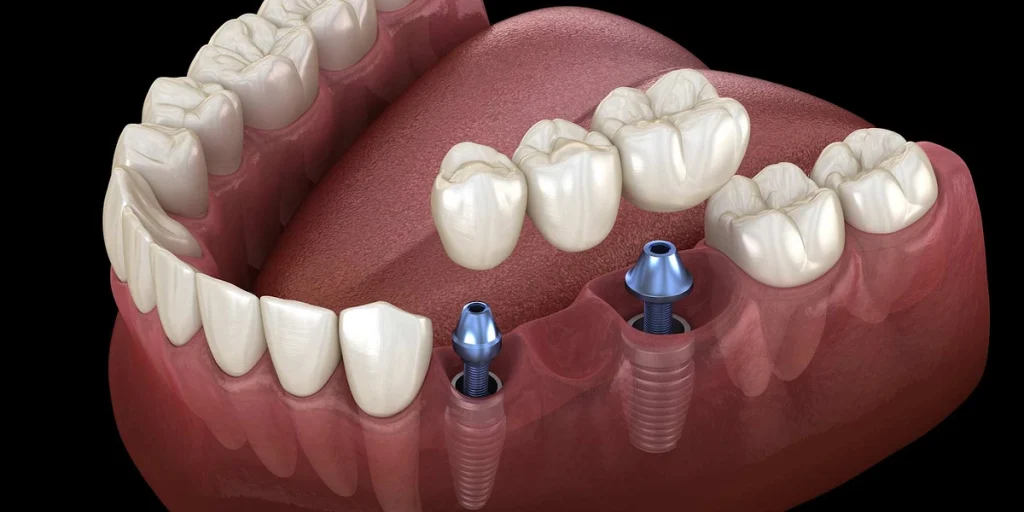
A bridge dental is a healing is utilized dental prothesis one or more missing teeth. It is an artificial tooth that is tightly fixed by neighbouring teeth. The artificial teeth fill the gap between two teeth and it works perfectly. It completes the natural smile and appearance. A dental bridge brings back chewing function, and normal biting allows you to eat properly and comfortably. A dental bridge also helps you to speak easily and confidently. How Much Does a Dental Bridge Cost in Dubai? The Average cost of a dental bridge varies from 1,500 AED to 7499 AED, which depends on several factors. The final cost will be determined after a detailed consultation with the dentist to discuss the treatment plan. Tooth bridge cost in UAE: Dental Bridge Treatment Estimated cost Single Tooth 1500 AED – 2000 AED Two Teeth 1599 AED – 3000 AED Traditional Dental Bridge (Dubai Market) 2500AED – 7,500 AED Implant-Supported Bridge (Dubai Market) 5,000 AED – 7,499 AED What’s Included in Enfield Dental Bridge Pricing Included Services What It Covers. Consultation Perfect consideration of your mouth, personalized treatment planning, and discussion of needs before the treatment. Diagnostic test Bone density scan or X-ray, and plan a precise treatment plan for the tooth condition, and bridge placement. Permanent Dental Bridge Fabrication It includes material and lab work. The fabrication of the permanent bridge and its placement by the dentist. Follow-up consultations Visit to ensure the bridge functions well and fits comfortably. Adjustments Adjustment appointments to improve comfort, bite, and fit after placement. Factors of Cost: Material: Basic materials are affordable. Materials like zirconia and all-ceramic bridges increase the price but offer better appearance. The type of dental bridge: A simple traditional bridge has a lower price. An advanced bridge has a higher price. The condition of the supporting teeth and gums: Healthy teeth are required minimal preparation. Weak or damaged teeth need extra treatment high cost. The number of teeth being replaced: Replacing 1 tooth costs less than replacing multiple teeth. More units require more material and lab work. Preparatory work & Complexity: Extra dental procedures are required before replacing the dental bridge. Tooth extraction and crown preparation. Root canal treatment may be needed before placing the teeth. Book us: Your Smile, Your Budget: Discover Dental Bridge Costs in Dubai Book your session today to understand how much a dental bridge costs in Dubai! Enfield Dental Clinic ensures that patiant recieves effective treatment from our skilled dentists and guides you personalized treatment plan according to the condition. Frequently Asked Questions:
Benefits of Teeth Scaling: Is Scaling Good For Teeth?
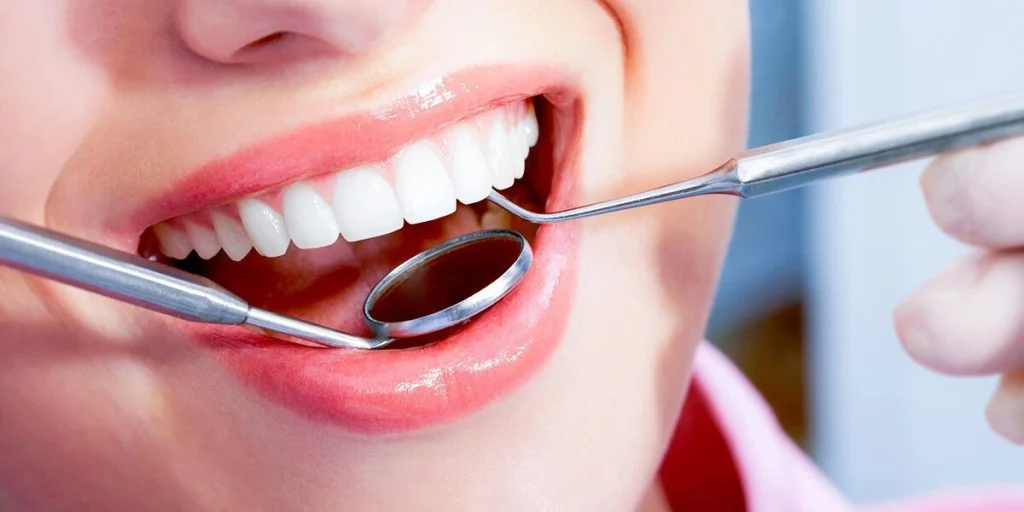
Scaling is a safe, efficient dental treatment when it is done professionally. Scaling is a skilled dental treatment that helps maintain Dental hygiene and a transparent, perfect smile. A lot of people are concerned about whether scaling is harmful or safe for teeth. Scaling plays an important role in preventing gum disease and cavities. It avoids microbial plaque and dental calculus that brushing can not reach. It also overcomes the gingivitis and bad breath. Explore the benefits of teeth scaling and determine if scaling is good for your teeth Benefits of Teeth Scaling: Is Scaling Good For Teeth? Comprehending the benefits of scaling helps you to make a wise choice for your dental hygiene. Teeth scaling is not unhealthy; it is one of the most beneficial ways to keep going dental hygiene. Benefits of Teeth Scaling: Is Scaling Good For Teeth? Is a general concern most of the people have about professional dental cleaning. For a long time Microbial plaque thickens into dental calculus, and it cannot be removed by simply brushing your teeth. Scaling easily removes this dental calculus from the teeth. Scaling helps to avoid cavities and gum disease. Under dental supervision, scaling improves gum health, support long term oral hygiene, and protects tooth enamel. Benefits of Teeth Scaling & Why It is Good for Teeth. Aspect Benefits of scaling Why is it good for health Dental calculus and Microbial plaque removal Clear dental calculus and Microbial plaque from teeth. Avoid enamel damage and cavities. Healthy Gums Decrease bacteria that are producing gum inflammation. Avoid gum disease and gingivitis Halitosis Breath Remove smell-producing bacteria. Keeps mouth clean and breath fresh. Dental Guard stops dental calculus from harming the tooth root. Overcome the risk of tooth loss and loosening. Periodontal disease Support gums tighten and heal around teeth. Promotes healthy and strong gums. General oral hygiene Keep up a bacteria-free and clean mouth. Enduring dental health Conclusion: This damage accretion holds bacteria that bother the gums, step by step, damaging the tissues and bone supporting the teeth. Teeth scaling is considered a protective and safe method that both cleans and protects teeth and gums. Removing bacteria and scaling also improves fresh breath and overall oral hygiene. BOOK US: Protect Your Smile with Professional Teeth Scaling Experience advanced teeth scaling with several benefits at Enfield Dental Clinic. Book your session today and receive an outstanding procedure to enhance your oral hygiene with our expert and specialized dentist, who will guide you well and ensure that you receive expert car Frequently Asked Questions :
Should I brush my teeth before or after using teeth whitening strips?
Brushing teeth helps us achieve good results from whitening strips, which remove debris, avoid irritation, protect sensitivity, allow the gel to work, and protect enamel. Most of the people use teeth whitening strips so they stay confident, don’t feel insecure, and have a good smile. Additionally, they are unaware of the importance of timing in this scenario. Should I brush my teeth before or after using teeth whitening strips? Generally, people use whitening strips to improve their smile and confidently talk, feeling secure about themselves. But the important thing is they don’t know about the timings, like what time is right. Before using a whitening strip or after using a whitening strip. If you don’t know about the timing, you will have to face a problem in whitening results. If you do not protect your gums and enamel, you feel discomfort. The timing of brushing teeth directly influences the protection and productivity of the treatment. Time is important to prevent boosted sensitivity and gum irritation. Whitening strips before or after brushing teeth: Dental Considerations Brushing before Whitening Strips. Brushing After Whitening Strips Objective Removes food debris and brass so the whitening strip sticks easily. Brushing after whitening strips can remove rest whitening gel. Benefits When you brush your teeth before using whitening strips help to clear the surface. When you brush your teeth after using whitening strips, nothing will change. Risk of sensitivity If brushed too close to the time of application or brushed too forcefully. If done immediately, it can increase sensitivity. Recommended timings Brush 30 mins before the application. Brush 30-60 mins after the application. Dentist timings Brush before the application dentist fully recommended Brushing after the application is not ideal. Collision on enamel Brush before the process if you brush gently. Brushing after the application weakens the enamel. Overall Decision Good option. Brush if sufficient time has passed. Teeth whitening strips instructions: Step 01: Brush your teeth. Brush your teeth softly and waitat least 25 minutes before applying a strip. Step 02: Dry teeth slightly. Dry teeth with tissue. Wait for the saliva to settle down so the strip can stick easily. Step 03: Apply the whitening strips. Place the strip on your teeth and the gel side down. Press softly and fold excess at the back of the teeth. Step 04: Leave Strips on. Keep the strip on for the mentioned on the page. Step 05: Remove and Dispose. Peel off the strip carefully and throw it away. Step 06: Rise or Gently Brush. You may rinse your mouth or slightly brush after 30-60 minutes.
Fixed vs. Removable Teeth: Which Is The Best Option For You?
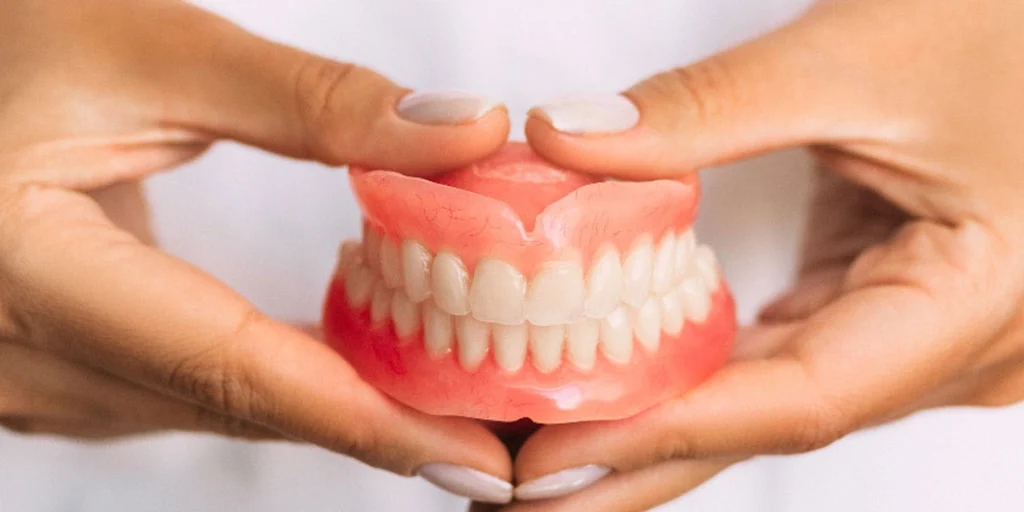
Missing teeth not just impact your smile, they also influence your confidence, speech, facial structure, chewing efficiency, and overall oral health. Nowadays, dentists offer reliable solutions for tooth replacement. The first one is fixed teeth, and the second one is removable teeth. Each of the factors has its own uniqueness in that you should match your factors (e.g., Budget, oral health needs, and lifestyle). Fixed vs. Removable Teeth: Which Is The Best Option For You? Are you concerned about Fixed vs. Removable Teeth: Which Is The Best Option For You? Both options are good solutions for replacing missing teeth, each offering unique benefits to the solution. They have different characteristics, which are mentioned below in the table. And you get help with this, so that you can choose your desired solution that is helpful for you. The best solution depends on your comfort, budget, lifestyle, and oral health needs. Factors Fixed Teeth Removable teeth Comfort It is stable and secure, and looks like natural teeth. It can be removed for cleaning and comfort. Budget Higher in cost, long-term value. Lower in Cost, ongoing expenses. Stability No movement During use, it can be shifted and loosened. Maintenance It can be as clean as natural teeth. First, you remove the teeth, then clean them. Durability Need proper care, and it is long-lasting. No proper care. May need replacement. Treatment Time Long Process for the treatment. Short process for the treatment. Bone Preservation It helps avoid jawbone loss. Does not stop bones from falling apart. Ideal Candidates Patients with good health and bones. Patient with a budget and limited bone. Convenience Removal is not required. Requires handling and removal. Which is the Best Option for You? Choose a good option while knowing your factors that are good for your budget, lifestyle, expectations, and oral health. According to these factors, the Fixed teeth option has the best solution(e.g., Comfort, Stability, Maintenance, durability, and convenience). It is ideal for patients who are seeking a natural solution because it feels like their natural teeth and removable teeth are suitable for those who need temporary treatment, a low budget, and non-surgical options. Choose the best option for yourself that keeps your smile going and boosts your confidence. Book us: One decision. A lifetime of smiles. Enfield Dental Clinic is providing the best solution for your smile. Fixed vs. Removable Teeth: Which Is The Best Option For You?. Our experts are here to help and guide you so that it’s easy for you to select an option that is best for you. Book your consultant today and step forward to your new journey with a smile and confidence. Frequently Asked Questions:
Dental Implant Healing Guide for a Smooth Recovery

When surgery ends, you feel two things at once: relief and a dozen small questions. Dental implant healing answers those questions in stages. Knowing what happens first, what to protect, and how long recovery takes removes uncertainty and helps you act with purpose. This guide breaks dental implant recovery into clear windows so you know what to do from the first day through full bone integration. You will get practical steps for pain control, wound care, diet, and oral hygiene. You will also learn when to call your clinician and how timelines differ for single implants, multiple implants, and full mouth solutions. Want a recovery plan built for your health and schedule? Book a consultation, and we will tailor the timeline to your case. Day 0 to Day 3: What to do immediately after implant surgery The first 72 hours set the tone for dental implant healing. Your body forms a clot, inflammation peaks, and the site begins its first repair steps. Act gently and follow the plan your surgeon gives you. Immediate actions Rest and avoid exertion for 24 hours. Movement raises blood pressure and can increase bleeding. Control swelling with ice packs applied intermittently for 10 to 15 minutes. Use a thin cloth between the skin and the ice. Take prescribed pain medicine and antibiotics exactly as directed. Follow your clinician’s analgesic plan rather than guessing doses; this is vital for smooth dental implant healing. Keep the head elevated during sleep for the first two nights to limit swelling. Avoid rinsing, spitting, or using a straw for the first 24 hours to protect the delicate clot and ensure proper tooth implant recovery. Oral care in the first days Rinse gently with warm salt water starting 24 hours after surgery, three times a day. Use a half teaspoon of salt in 8 ounces of water. Brush other teeth as usual, but clean near the surgical site very gently. Do not disturb any sutures during your dental implant recovery. For single-tooth cases, simple home care usually suffices. However, for multiple implants or full mouth implants, strictly follow the clinic’s specific rinse and cleaning schedule for effective recovery from dental implants. Red Flags to Report to Your Team During Dental Implant Recovery Excessive bleeding that soaks gauze after two hours. Fever above 101°F or increasing pain after the second day. Numbness that does not gradually improve. If any of these occur, contact your implant team immediately. Early intervention prevents complications and supports successful dental implant healing. Day 4 to Day 14: Early Dental Implant Healing By day four, swelling and bruising usually peak and then begin to subside. Tissue closes over the wound, and the risk of infection falls if you have kept the area clean. This window moves you from fragile care toward routine dental implants recovery. What you will notice Swelling decreases, and discomfort shifts from sharp to dull. Sutures often come out between day seven and day ten, depending on the technique. Your clinician will advise timing. You may feel tightness or mild tenderness as the gum tissue firms up around the implant site, a positive sign in the recovery time for dental implants. Practical steps for this stage Continue gentle saltwater rinses and switch to your normal soft toothbrush around the site as comfort allows. Introduce more textured soft foods such as mashed potatoes, soft pasta, and tender cooked vegetables. Avoid hard, crunchy, or sticky items. Keep alcohol and tobacco away. Smoking impairs blood flow and severely delays osseointegration, significantly prolonging dental implant recovery. If you use a temporary crown or prosthesis, follow specific cleaning instructions and avoid chewing on that side until cleared. Adherence to this protocol improves the entire recovery time for dental implants. When to call the clinic Persistent pus, spreading redness, or a rising fever. A loose implant or prosthesis. Unusual or worsening pain after an initial improvement. Across all cases, including full mouth implants, the same principle holds: protect the site, keep it clean, and report changes early. These two weeks build the foundation for bone fusion. Follow-up visits confirm healing and let your team adjust the plan, securing long-term dental implant success. Weeks 3 to 8: Continued Dental Implant Healing and Functional Return By week three, you should notice steady improvement. Tenderness fades, swelling settles, and you can return to more normal foods. This stage matters for successful dental implant healing because new bone begins to bridge the implant surface and the jaw. Protecting that forming bond speeds recovery from dental implants. Practical steps for dental implant healing Gradually reintroduce firmer foods. Start with soft bites and avoid direct heavy chewing on the new implant for another few weeks. Keep cleaning with interdental brushes and a soft toothbrush. Focus on gentle, thorough plaque control around the emergence of the crown or healing cap. Use a water flosser if your clinician recommends it; it flushes debris without abrading healing tissue. This is key for sustained dental implant healing. Maintain all follow-up visits as scheduled. Your dentist checks pocket depths, tissue health, and any early signs of inflammation crucial to your recovery time for dental implants. What to expect biologically during recovery from dental implants Bone remodels and tightens around the implant. This phase leads to true osseointegration. Minor sensitivity or tightness can persist as tissues mature. If you received provisional teeth, your clinician may adjust how the teeth meet (occlusion) to avoid excessive load during your recovery time for dental implants. When to Contact Your Team During Dental Implant Recovery Increasing pain, new swelling, or drainage. Loosening of a healing cap or temporary crown. Any fever or rapid change in comfort. Early detection of peri-implantitis or mechanical issues keeps long-term tooth implant recovery on track. Months 3 to 6 and Beyond: Full Recovery Time for Dental Implants and Long-Term Success Most implants achieve solid osseointegration between three and six months. At this point, the clinician typically places the abutment and final crown, completing your tooth implant recovery. For solutions like
The Dental Implant Healing Time

The dental implant healing time marks the period from your dental implant procedure to the implant’s full fusion with the jawbone. This guide outlines each crucial stage to manage your recovery time from dental implants. Bone fusion requires 3 to 6 months for woven bone to mature, ensuring the implant’s strength. A 20-year meta-analysis in Clinical Oral Investigations affirms remarkable long-term success, stressing the need for continued follow-up. Learn what to expect and how long does it takes for dental implants to heal, ensuring your new restoration achieves lasting success. The Critical Start: Immediate Stage (24 to 72 Hours) The initial 24 to 72 hours set the tone for your recovery time from dental implants. During this stage, expect some bleeding at the site, swelling, and a dull ache following the dental implant procedure. Rest and Elevation: Rest with your head elevated to minimize swelling. Swelling Control: Apply cold packs for 10 to 15 minutes at a time. Medication: Take prescribed pain relievers and antibiotics exactly as directed. Clot Protection: Avoid rinsing, spitting, or using a straw for 24 hours to protect the vital blood clot. Gentle Rinse: After the first day, rinse gently with salt water three times daily. These precise actions reduce complications and keep the wound clean while soft tissue begins to close. Short-Term Progress: (1 to 2 Weeks) Over the next one to two weeks, swelling significantly eases, and the soft tissue surrounding the surgical area continues to heal. This period is key to maintaining progress in your dental implant healing time. Diet: Continue a soft diet, focusing on soups, mashed vegetables, and soft pasta. Hygiene: Brush non-surgical teeth normally, but clean very gently around the surgical site to avoid disturbing the area. Sutures: Sutures typically dissolve or are removed near the end of the first week. Lifestyle: Strict avoidance of smoking and heavy alcohol is crucial; both dramatically slow healing and increase infection risk. Activity: Most individuals return to light activity within a few days and normal routines by the end of two weeks, unless specifically advised otherwise by your surgeon. Mid-Stage Fusion: (3 to 8 Weeks) From the third week, the critical process of osseointegration begins, where new bone forms around the implant surface. This phase is vital for the genuine dental implants recovery time. Diet Progression: Gradually introduce firmer foods, but continue to avoid hard or crunchy chewing directly over the implant area. Hygiene Detail: Maintain rigorous oral hygiene, incorporating interdental brushes or a water flosser to remove plaque, especially important if you have full mouth implants. Follow-up: Attend all scheduled visits so your clinician can assess tissue health and monitor the early bone response. Monitoring: Minor tenderness is normal. However, persistent pain, fever, or any discharge requires prompt review, as these are not typical signs of healthy recovery. Full Dental Implant Healing Time (3 to 6 Months) Osseointegration, the biological fusion of the titanium post and bone, typically completes within three to six months. This period ensures the implant gains the necessary stability to safely support a permanent crown or fixed prosthesis, marking the final stage of your dental implant healing time. Avoid Heavy Loading: Do not place heavy chewing force on the implant until your clinician places the final crown. Maintenance: Maintain excellent hygiene and keep up with professional cleanings every three to six months. Healing Variables: If your initial dental implant procedure included bone grafting, the full integration may extend past six months. Final Step: For most patients, the final restoration arrives at month three to six, completing the dental implants procedure and restoring full function. Full Mouth Implants and All-on-4: Managing Recovery Time Full mouth implants follow the same biological timetable as single implants, but clinicians plan differently to protect the healing bone and soft tissue. All-on-4 Protocols: These protocols place four to six implants per arch, often delivering provisional teeth the same day of the dental implants procedure. Load Management: Clinicians carefully manage load and adjust the provisional prostheses to strictly avoid overloading the implants while osseointegration occurs. Healing Span: Despite immediate provisionalization, expect a similar three to six-month integration period for the implants before the final prostheses are placed. Patient Experience: Patients receiving full mouth implants face a more intense early recovery, yet modern protocols balance this with the benefit of fewer surgical visits overall. What to Do For the Dental Implants To Heal Faster To optimize your dental implant healing time and encourage successful osseointegration, focus on these critical lifestyle and health management steps: Quit Smoking: Smoking dramatically increases the risk of implant failure; cessation before and after the dental implant procedure is non-negotiable. Manage Health: Effectively control chronic conditions like diabetes and strictly follow your physician’s advice to support optimal healing. Nutrition: Consume nutrient-rich foods that actively support bone health, prioritizing protein, calcium, and Vitamin D. Follow-Up: Keep all scheduled follow-up appointments and raise any concerns immediately. Early intervention prevents small problems from becoming significant failures, safeguarding your recovery time from dental implants. Frequently Asked Questions: Ready to Map Your Dental Implant Healing Time Timeline? How long does it take for dental implants to heal? Expect comfort in days, tissue repair in weeks, and full bone fusion in 3 to 6 months in most cases. Your exact timeline depends on bone health, whether grafting was needed, and your overall health. Want a timeline tailored to your case? Book a consult so we can review imaging, plan the dental implants procedure, and map a recovery schedule that fits your health and goals.
Teeth Alignment Or Straightening: Know The Difference

If you want a better smile, first you need to know whether you need straight teeth or true teeth alignment. Most people think both mean the same thing. They do not. One fixes how teeth look; the other fixes how teeth work. In the metropolitan emirate of Dubai, that difference matters. Your lifestyle, job, and long-term oral health shape the choice. This guide explores both terms, outlines treatment paths available here, and helps you decide whether to book a dentist in Dubai for a simple cosmetic option or a full alignment plan. Teeth Alignment or Straightening: Knowing The Difference Each treatment serves assorted purposes in dental care. Therefore, getting the gist of why they can’t be used interchangeably is imperative. Teeth Straightening Straightening targets visible results. It nudges crowns into pleasing lines, henceforth closing gaps, and levels front teeth. Most of the patients looking for this treatment have a quick confidence boost in mind. Common methods include; Clear Aligners Veneers that mask crooked teeth without moving the tools When you’re considering teeth straightening in Dubai, clinics assess whether cosmetic alterations solve your concern or if deeper issues lurk beneath. Teeth Alignment Alignment examines how teeth relate to jaws and each other. It corrects root positions, bite mechanics, and the distribution of chewing force. This matters for speech clarity, gum health, and long-term tooth survival. Alignment treats malocclusions like overbites, underbites, and crossbites. Lower teeth alignment often needs attention since crowding here disrupts the entire bite. Some cases require orthopedic devices or surgery for jaw discrepancies. Orthodontists prioritize stability over speed. Treatment takes longer but prevents future wear, pain, and tooth loss. Your Choice Matters The straight teeth look good, but proper teeth alignment is what you need for proper functioning and aesthetics. So you must ask yourself, what matters most, function or aesthetics? Aesthetics vs. Function: Your decision hinges on whether you need a surface aesthetic enhancement or a comprehensive structural correction. Provider Selection: Choosing the right dentist in Dubai depends on this required focus. The Best Path: A thorough consultation will reveal which path, cosmetic straightening or structural alignment, serves your smile and long-term health best. Quick Comparison The following is a quick comparison between teeth alignment and teeth straightening in Dubai. Focus Goal Typical methods Time Straightening Cosmetic, even smile Aligners, braces, veneers Weeks to months Alignment Functional bite, root positions Braces, aligners, orthopedic appliances, and surgery Months to years Both overlap. Many patients want a straight smile that works well. Clinics plan with that combined goal most often. Heretofore, knowing the difference is necessary, How To Know Which Treatment is Good For You Before going for a treatment, it is necessary to know which might work well for you. Contacting a specialist before the treatment is necessary. Our seasoned experts at Enfield Dental Clinic in Dubai provide a comprehensive session and tell you which might work the best for you. When Straightening Alone May Be Enough: Choose straitening when; You want straight teeth mainly for looks. Crowding or spacing stays mild. Bite function does not cause pain or wear. Clear aligners suit many adults who value discretion. Veneers help when a tooth’s shape or color creates a cosmetic problem. Ask your dentist at Enfield Dental Clinic in Dubai whether veneers for crooked teeth will harm enamel or mask a deeper bite issue. When Alignment Should Be The Priority: Put teeth alignment first when; You have jaw discomfort, chewing problems, or speech changes. Lower teeth alignment shows crowding that pushes the bite off. You plan long-term oral health and want minimal relapse. Orthodontic appliances such as twin-block or lingual arch address jaw or lower-arch problems. Sometimes a combined approach uses braces, then retainers, then cosmetic finishing. Teeth Alignment Treatment in Dubai: Options, Timelines Dentists and orthodontists in Dubai offer a full range of care. Your choice of crooked teeth treatment depends on your aesthetic goals, the complexity of the malocclusion, and the time you can commit. 1. Orthodontic Alignment (Root Correction) These methods move the tooth roots and correct the functional bite. They are the best choice for achieving long-term teeth alignment. Treatment Option Best Suited For Key Features Typical Timeline Clear Aligners (e.g., Invisalign) Mild to moderate issues. Nearly invisible, removable, and easier hygiene. Requires strict compliance (20 to 22 hours/day). 6–18 months Traditional Braces (Metal, Ceramic, Lingual) Complex alignment and bite correction. Provides precise control and predictable results, especially for severe cases. Lingual braces are hidden behind teeth. 12 to 24 months Orthognathic Surgery Severe skeletal jaw issues. Combines surgery with braces; requires multidisciplinary care. Variable Note on Lower Arch: Lower teeth alignment often needs targeted appliances or staged treatment, as this arch frequently re-crowds without proper, lifelong retention. 2. Cosmetic Solutions (Surface Correction) These methods are fast but only mask alignment problems; they do not correct the bite or reposition the tooth roots. Treatment Option Best Suited For Key Limitation Typical Timeline Veneers and Bonding Fast aesthetic fix for front teeth (shape, minor rotation). Do not realign roots or correct the functional bite (malocclusion). 2 to 6 weeks What Are The Benefits of Teeth Alignment Beyond a Pretty Smile While achieving straight teeth is a great aesthetic goal, teeth alignment offers profound benefits that directly impact your long-term oral health and function. These outcomes explain why dentists prioritize functional alignment, not just cosmetic straightening: Better Hygiene: Straighter teeth eliminate crowded and overlapping areas, making it significantly easier to clear plaque, reducing the risk of decay. Less Wear: Proper alignment ensures forces are distributed evenly across all teeth when chewing. This protects enamel from excessive wear and potential fracture. Lower Risk of Gum Disease: Fewer gaps and tight spots mean fewer areas for food particles and bacteria to get trapped, promoting healthier gums. Improved Function: Correct alignment leads to smoother, more efficient chewing and can contribute to clearer speech. Less TMJ Strain: A proper, balanced bite eases stress on the Temporomandibular Joint (TMJ), potentially alleviating jaw pain and headaches associated with malocclusion. These functional and
How Many Dental Implants Can You Get at Once?

Imagine the confidence of a perfect smile with the long wait. If you are thinking about getting dental implants, you might be wondering, “How Many Dental Implants Can You Get at once?” It’s an excellent question, and the response is frequently more adaptable than most people realize. Restoring a full mouth could take a year of staggered appointments in the past, but thanks to modern dental innovations, the process has been revolutionized for patients. At Enfield Dental Clinic, we specialize in efficient and high-tech restorations that prioritize your time and comfort. In this blog, we will elaborate on the clinical factors that determine how many dental implants you can get at once. These range from a single tooth replacement to full-arch restorations. We aim to show you how high-tech diagnostics can streamline your journey to a healthy smile in a single session. What are Dental Implants? Dental implants are artificial tooth roots made of biocompatible materials that are placed surgically into the jawbone to replace missing teeth. This artificial tooth is known as a crown. This crown is placed on an extension of the post of a dental implant to give you the look of a real tooth. The extension is known as an abutment. Can You Get Multiple Dental Implants at Once? Yes, you can get multiple dental implants at once. It’s actually the preferred approach in numerous instances. Our modern dental implant techniques allow dentists to place several implants in a single procedure. This is possible as long as your oral health and bone structure support them. How Many Dental Implants Can Be Placed at Once? There is no strict maximum. Most patients can receive 2–8 dental implants in a single procedure. But the total can go up to 8-12 implants for more extensive cases like full mouth rehabilitation. You need to keep in mind that the exact number depends on your bone density and treatment goals. You can see the common scenarios for dental implant placement in the table below: Treatment Goal Implants per Session Replace Single Tooth 1 Implant Bridge for Multiple Teeth 2 to 4 Implants Full Lower Arch (All-on-4) 4 Implants Full Upper Arch (All-on-6) 4 to 6 Implants Complete Full Mouth 8 to 12 Implants Factors That Determine the Number of Implants The number of implants that can be placed in a single session mainly depends on the following factors: Bone Density and Jawbone Health Bone density and jawbone health are the main factors in deciding the number of implants. More implants can be supported in a single session by a robust and healthy jawbone. Fewer implants might be possible in case the bone is weak or thin. Number of Missing Teeth The number of missing teeth also influences the number of implants required. The number of implants rises with the number of teeth you are missing. Overall Health Condition General health determined the number of implants. The number of implants that can be placed at once may be restricted by immune system problems or diabetes. Multiple dental implants are typically manageable for healthy patients in Dubai. Gum Health Gum health also specified the number of implants. It is because healthy gums are essential for implant success. Strong gum support allows for better implant stability. Type of Dental Implant Procedure Different techniques affect how many implants can be placed. You can see in the table below different procedure types for multiple implants: Procedure Type Clinical Approach Immediate Implants Multiple implants placed in one session. Staged Procedures Implants are placed in phases for healing. Full-Arch Systems 4 to 6 implants support an entire jaw. Need for Additional Procedures The additional procedure also shapes the number of implants. Some patients need to be prepared for procedures like bone grafting or tooth extraction. These have the potential to reduce or slow down the number of implants that can be completed in a single visit. Full Mouth Implants Options Full mouth dental implant options include All-on-4 and All-on-6 systems. These systems use four to six implants per arch to support a full set of fixed teeth. Additional choices include dentures that rely on free implants for stability or bridges supported by implants. Full individual implants are hardly applied because they are intricate and expensive. Your clinical and financial needs will determine which option is best for you. Pros and Cons of Getting Implants at Once Pros: Fewer Dental Visits Faster Replacement of Missing Teeth Single Recovery Period Time-Efficient Treatment Can be More Cost-effective Cons: Long Surgical Procedure More Swelling and Discomfort After Surgery Not Ideal for Complex or Weak Bone Cases Requires Strong Healing Ability Book Your Affordable Multiple Implants in Dubai Now! Stop waiting for the perfect smile and start living it. If you want to know exactly “How Many Dental Implants Can You Get at Once,” based on your unique health. Then look no further. The experts at Enfield Dental Clinic are here to help you. Our team provides a customized assessment to make sure you receive same-day dental implants within one session. Book Now! Frequently Asked Questions:
How Long Does It Take for Braces to Straighten Teeth

You’re scrolling through Instagram when a friend’s perfect smile stops you mid-feed. Suddenly, you’re Google at 11 PM: “How long does it take for braces to straighten teeth?” You want the answer to be “three months”, but you’re bracing yourself (pun intended) for bad news. Here’s the truth: most patients wear braces for 18 to 24 months, though your timeline depends on factors like tooth misalignment severity and age. At Enfield Dental Clinic, we’ve guided hundreds of Dubai patients through this exact journey. Whether you’re an adult wondering “how long do braces take to straighten teeth for adults?” or researching the shortest time period for braces, we’ll give you a realistic, personalized timeline, not false hope. Quick Facts Average Duration: Most patients finish full correction in 18 to 24 months (ranges commonly run 12 to 30 months depending on complexity). Visible Change: Expect noticeable shifts within 6 to 12 weeks, but full, stable alignment takes many months. Fast Cases: Very mild adjustments can finish in 6 months (but this is not typical). Adults vs. Teens: Adults often follow similar timelines; compliance matters more than age. Added dental work or stiffer tissues can add time. By Option: Metal/Ceramic: approx 12 to 30 months Lingual: Often longer Clear Aligners: 6 to 24 months (best for mild–moderate cases) Acceleration: Selected adjuncts (laser, vibration) can shorten time in some cases; discuss evidence and cost with your orthodontist. Dubai Reality Check: Budget AED 5,000 to 20,000 depending on type and complexity; pick a DHA-licensed clinic and plan for appointment regularity. Retention Reminder: Treatment isn’t finished at removal; long-term (often nightly) retainers are typically recommended to prevent relapse. Patient Power: Keep appointments, follow hygiene rules, wear elastics/aligners as instructed; small slips add months. One-Line Takeaway: Braces move teeth slowly by design, expect steady progress, not instant fixes. Ask for a personalized timeline at your first consult. What is a Realistic Timeline for Braces to Straighten Teeth? Most modern orthodontic studies find the typical course of fixed-appliance treatment of braces for teeth falls between about 12 and 30 months, with many meta-analyses centering close to 20 months for comprehensive correction. Shorter timelines (6 to 12 months) appear for mild cases. Severe skeletal problems can push treatment past two years. Tell your orthodontist at Enfield Dental Clinic in Dubai about your goals and how long braces take to straighten teeth. They’ll estimate a case-specific timeline. How Long Do Braces Take to Straighten Teeth After Fitting? The process is stable and works to straighten the teeth naturally. The patient usually notices small changes in the first few weeks. When do braces start working? Front-tooth alignment often improves within 6 to 12 weeks. Significant, stable alignment takes months because tooth movement requires bone remodeling, slow, steady change. Early improvements feel quick; full correction needs patience. How Long Do Braces Take To Straighten Teeth For Adults Compared With Teens? When you search “how long do braces take to straighten teeth for adults,” you might hope for the “shortest time period for braces.” But the reality is, age matters less than complexity. While adults may face stiffer tissues or prior dental work that can lengthen the process, many studies show similar overall treatment durations compared to teens. Teeth braces depend on biology: your orthodontist weighs bone health, gum condition, and compliance before forecasting time. For hundreds of our patients at Enfield Dental Clinic in Dubai, good oral hygiene and strict adherence to the plan are the fastest ways to ensure a successful result. Which factors most affect how long braces take? A person might be thinking: “What changes the time braces need to straighten teeth?” According to various surveys and analyses, the following factors determine how long braces take to straighten teeth: Severity of misalignment: Mild crowding: shorter. Severe bite or jaw problems: longer. Treatment type: Some systems and adjuncts shorten the time. Patient compliance: Missed appointments or poor hygiene add months. Biology and age: Bone density and healing vary by person. Extractions, surgery, or complex movements. These add phases and time. Orthodontists estimate the duration after a full exam because these factors interact for each patient. They also try to find the shortest time period for braces. Do Metal, Ceramic, Lingual, or Invisalign Have Different Timelines? If a patient is curious and in a fog about which type of braces to use for straightening teeth, and they mumble in their head, “How long do different types of braces take to straighten teeth?”, in order to clear things up, the orthodontist might explain the options as follows. Brace type Typical range Notes Metal (traditional) 12 to30 months Robust for complex movement. Ceramic (clear) 12 to 30 months Similar to metal, slightly more fragile. Lingual (behind-teeth) 18 to 30+ months Comparable results; technique-sensitive. Self-ligating 12 to 24 months Sometimes marketed as faster; evidence is mixed. Clear aligners (Invisalign & alternatives) 6 to 24 months Fast for mild–moderate cases; needs strict wear (20 to 22 hrs/day). Choice affects comfort and aesthetics more than absolute time. Case complexity remains the largest single determinant. Use the table to set expectations, not guarantees. What Is The Shortest Time Period For Braces? Yes, newer adjuncts can reduce the total time required for your braces for teeth in selected cases. According to a study published in the Journal of Pharmacy and BioAllied Sciences on accelerated orthodontic treatment using biomodulation, techniques like Low-level laser therapy show promising time reductions in trials; recent studies report up to ~30% shorter treatment in some biomodulation groups. Modern Methods for Shorter Treatment Duration Biomodulation: Methods like low-level laser therapy aim to accelerate the biological processes of bone remodeling, making the movement of teeth braces more efficient. Vibration Devices: These handheld devices are sometimes used to stimulate bone, potentially aiding movement and improving comfort. Selective Surgical Aids: Procedures like Propel or micro-osteoperforations can stimulate bone activity to speed up tooth movement in specific areas. These accelerated methods carry additional costs and require careful case-by-case assessment. Always ask your orthodontist for the latest evidence, risks,
How to Fix Crooked Teeth Without Braces at Home? Safe Options in Dubai

Here’s what Google won’t tell you: that “teeth straightening hack” you just watched has 2.3 million views and zero medical licenses behind it. Rubber bands between your molars? Genius: if your goal is an emergency root canal. The algorithm wants you to click on miracle fixes because overnight transformations sell better than “see a professional for 18 months.” I get it, you’re researching alternatives because traditional braces feel like a commitment you’re not ready for. Fair. But let’s separate what actually works from what trends on TikTok. Below, we’ll show you the real at-home habits that protect your smile (they exist), why DIY orthodontics land people in our Enfield Dental Dubai clinic with damage worse than the original problem, and which professional alternatives give you straight teeth without looking like a teenager. No scare tactics. Just honesty about what your mouth actually needs. Can You Straighten Teeth At Home Without Braces? Short version: Not safely in meaningful ways, dental braces at home are not a safe measure. Mild cosmetic tweaks sometimes respond to conservative measures, but attempts to move teeth with elastic bands, makeshift appliances, or unlicensed kits risk root damage, tooth loss, and gum problems. If you want a change that lasts, ask yourself a question, “Are crooked teeth a turn-off?”, Then try to reach a licensed orthodontist or dentist who uses evidence-based tools: aligners, braces, or targeted cosmetic dentistry. That said, you can do useful, safe things at home while you decide and plan. Good oral care, nighttime bracing after treatment, and avoiding habits that push teeth (thumb sucking, biting pencils) protect your options. What Causes Crooked Teeth: Why Did Mine Shift? Understanding the cause of misalignment (malocclusion correction) is the first step to answering the query of “how to fix crooked teeth” in deciding the appropriate and lasting fix. Often, the reason your teeth shifted is due to a combination of genetic factors and environmental pressures throughout your life. A study addressing the mixed causes of dental misalignment was published in Nature. Primary Causes of Misaligned Teeth Genetics: This is a major factor. If you inherited small jaws or large teeth, the space mismatch can lead to crowding or overlapping teeth. Childhood Habits: Persistent habits exert prolonged, abnormal pressure on developing teeth and jaw structures. These include thumb sucking, using prolonged pacifiers, and excessive tongue thrusting. Early Tooth Loss: Losing baby teeth or permanent teeth prematurely creates a gap that allows adjacent teeth to drift or tip into the space. Late-Life Shifts: Alignment can change in adulthood due to the pressure from wisdom teeth erupting, facial trauma, or ongoing subtle changes in jaw growth problems. Relapse After Braces: If you previously had treatment, misalignment often occurs after stopping retainers. The lack of retention allows the teeth to drift back toward their original positions. Why Knowing the Cause Matters Fixes must target the root problem. If bone or jaw shape drives the crowding, a cosmetic cover-up (like veneers) won’t solve the functional issue. Similarly, if habits drive shifting, you must break the habit first for any correction to last. This clinical analysis is key to successful malocclusion correction. Why Most “at-home braces” Ideas Are Dangerous People ask, “Can crooked teeth be straightened at home with elastics or mail-order kits?” Short answer: don’t try it. DIY elastic methods risk cutting the blood supply and resorbing roots. Over-the-counter devices without clinician planning can move roots into unhealthy positions. Unsupervised relapse treatments mask underlying issues like bite problems or bone loss. Your mouth is part of your body. Teeth live in bone, and movement requires controlled force applied in planned weeks to months. Professionals measure, monitor, and adapt. Skip the amateur shortcuts. What Safe Things Can I Do At Home While I Plan Treatment? You can help your future results without trying to move teeth yourself. Clean well. Brushing twice, flossing, and interdental brushes prevent decay that complicates treatment. Quit harmful habits. Stop nail-biting, pen-chewing, or pushing with the tongue. Use recommended retainers. If you have a retainer, wear it as instructed to avoid relapse. Gather photos. Take clear smile photos to show your dentist — fast triage during a consult. Ask about short-term aligner checks. Some clinics offer remote screening to see if you qualify for a quick, safe plan. These steps protect options and keep you ready for a professional plan. How To Straighten Teeth Without Braces If you want to avoid visible metal, several clinician-led routes can correct alignment safely. Option What it fixes Typical time Best for Clear aligners (Invisalign & alternatives) Mild–moderate crowding, spacing 6 to 24 months Adults who want discreet treatment Ceramic/clear braces Moderate to complex cases 12 to 30 months Patients prioritising aesthetics Lingual braces Complex moves, totally hidden 18 to 36 months People who want no visible hardware Veneers or bonding Cosmetic masking of rotation/shape Weeks Front-tooth cosmetics, not bite correction Orthodontic surgery + braces Severe skeletal mismatch Many months Jaw corrections, combined treatments Clear aligners move teeth with a series of controlled trays; clinicians plan movements digitally and monitor progress. Veneers reshape tooth appearance immediately but do not change roots or bite; dentists often use them where the bite is stable and only the front teeth need cosmetic help. How Long Will It Take to See Results? The time it takes to achieve your desired outcome depends on the complexity of your malocclusion correction and the method chosen. Your clinician will provide a personalised estimate only after a full exam and digital scans. Correction Method Estimated Timeframe Notes Very Mild Shifts 3 to 6 months Achievable with orthodontic aligners in rare, ideal cases where minor enamel contouring is used. Common Aligners 6 to 18 months Typical timeframe for most patients seeking to correct teeth without braces using clear aligners. Braces (Complex) 12 to 30 months Needed for severe crowding, bite correction, or complex malocclusion. Veneers Weeks (2-4 weeks) Cosmetic only, porcelain veneers mask the misalignment; they do not actually correct the position of the tooth roots. If you’re asking, “What
